







金在荣:中韩儒学在交流互鉴中找寻时代价值
2026-09-08 10:22:11 来源:中国孔子网 作者:解放
编者按
国外专家学者“齐鲁访学驻研计划”是为贯彻落实习近平主席提出的全球文明倡议,深化文明交流互鉴,由山东省委宣传部指导,尼山世界儒学中心、中国孔子基金会、山东大学共同发起,山东出版集团大力支持,立足山东儒家文化资源富集优势,架设国际人文交流合作桥梁的一项重要举措。
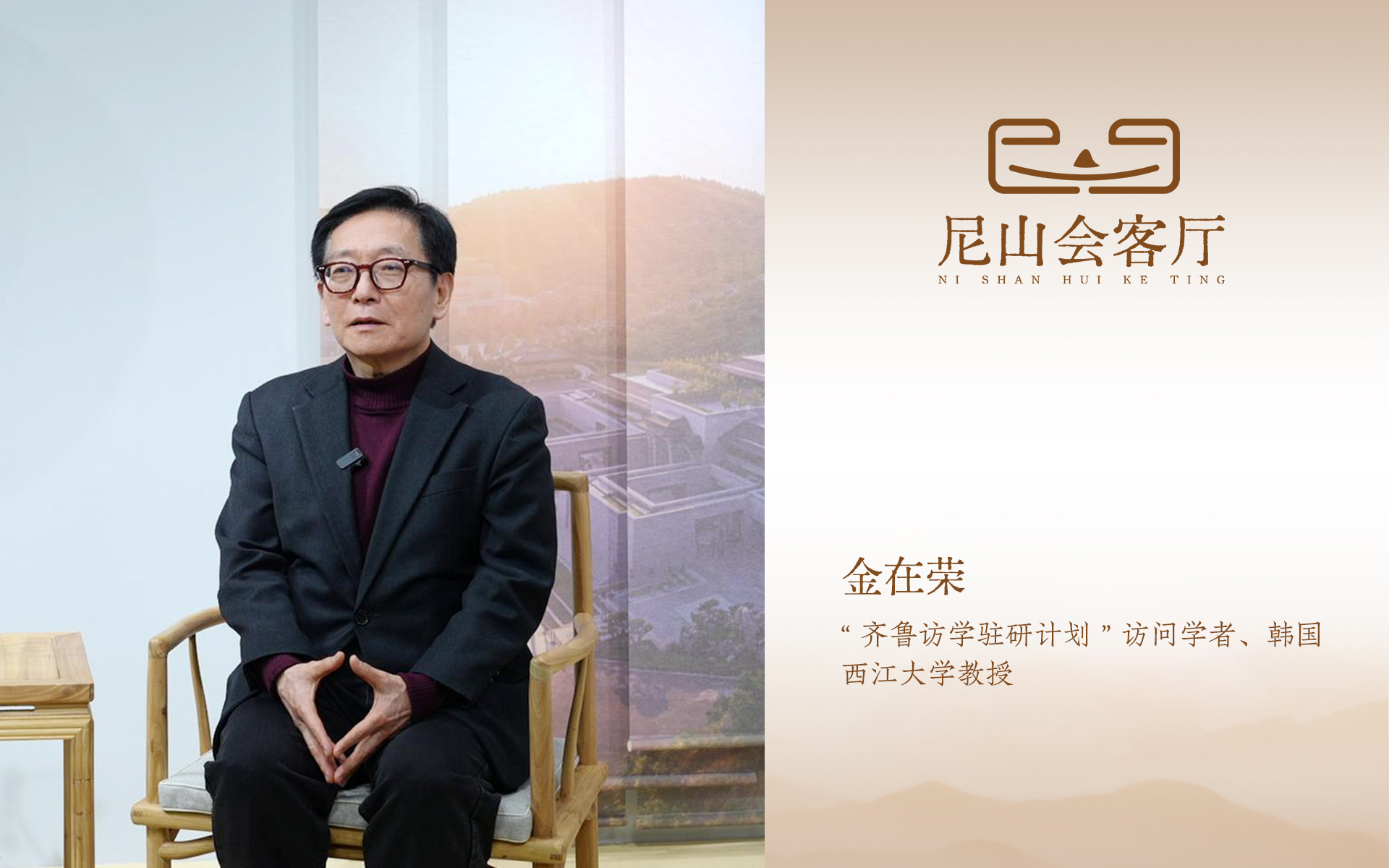
近日,“齐鲁访学驻研计划”访问学者、韩国西江大学教授金在荣结束为期一年的驻研活动,回国前接受中国孔子网“尼山会客厅”专访,从宗教心理学视角剖析儒学活态传承现状,探讨中韩儒学“同源异流”的本土化发展路径,为儒学跨学科研究、国际传播以及中韩青年学者开展跨文化对话带来国际视角与有益启示。
Q:As a scholar who has long specialized in the psychology of religion perspective for the study of religion in religious studies, what field visits, academic exchanges, or research experiences during your year in the birthplace of Confucius and Mencius have left the deepest impression on you?
中国孔子网:您在山东驻研已经有一年的时间,这段驻研经历给您留下了哪些深刻印象和感受?
Ans:The most impressive discovery for me has been learning about modern China and its people, especially ordinary Chinese citizens. Their way of life is deeply rooted in the spiritual ideas of Mencius and Confucius, within the broader Confucian framework. I have participated in various traditional festivals here, including Spring Festival, the Confucius Ceremony, Tanojie and other Confucian ritual events. Through these participatory experiences, I have realized that core Confucian values remain deeply embedded in contemporary Chinese life: filial piety to parents, ancestor worship, strong family bonds, care for local communities, dedication to the nation, and universal compassion for all people. The more I observe Chinese people, the more I see these values actively lived out. Even if they rarely explicitly mention Confucian concepts, these traditions are vividly present in their daily lives, which I have witnessed firsthand.
金在荣:对我而言,最令人印象深刻的发现是对现代中国及其人民,尤其是普通中国人的认识。他们的生活方式深深植根于孟子和孔子的精神理念,也植根于更广阔的儒家传统。我在这里参加了多种传统节庆和礼仪活动,包括春节、祭孔大典、端午节及其他儒家礼仪活动。通过亲身参与,我认识到,儒家核心价值依然深深融入当代中国人的生活,包括孝敬父母、敬奉祖先、重视家庭纽带、关心当地社区、忠于国家,以及对所有人的普遍关爱。我对中国人观察得越多,就越能看到这些价值在现实生活中得到践行。人们或许很少明确谈及儒家概念,但这些传统鲜明地存在于日常生活中。这是我亲眼所见。
This experience has also been personally healing. I have met countless genuine Chinese people who uphold their way of life even amid life’s hardships. Witnessing them authentically live out these traditional values has brought many touching moments and offered me great spiritual comfort.
这段经历也给我带来了新的感触,我遇到了无数真诚的山东人。即使过去在生活艰难时,他们依然坚守自己的生活方式。我经历了许多感人的时刻,看到他们真切地践行这些传统价值,也获得了极大的精神慰藉。
Q:During your fellowship, what were the major research topics you focused on, and what progress or achievements have you made so far?
中国孔子网:访学期间,您重点研究了哪些课题?目前取得了哪些进展或成果?
Ans:From my limited research background, most existing studies of Confucianism adopt conceptual humanistic frameworks, focusing on philosophy, history and literature. I hope to expand the scope of this research to include the psychological and religious dimensions. This is the core reason I came to China: I aim to extend traditional research perspectives by adopting a psychological lens, centering on religious experience and the everyday lived experiences of Chinese people in daily contexts.
金在荣:以我有限的研究积累来看,现有儒学研究大多采用概念性的人文主义框架,重点关注哲学、历史和文学。我希望拓展这一研究范围,纳入心理和宗教维度。这正是我来到中国的核心原因:我希望在传统研究视角的基础上引入心理学视角,重点关注宗教体验,以及中国人在日常情境中的生活经验。
To carry out this research, I have conducted in-depth rereadings of The Analects of Confucius. I am exploring how core spirits such as the unity of all things manifest from a psychological perspective. So far, I have completed two papers that apply theories from the psychology of religion to conduct critical rereadings of The Analects. I am also preparing a major paper, which will be published and presented at the annual conference of the European Association for the Study of Religion this September. It will be a large-scale academic gathering, where I will share my research findings on Confucianism from the work completed during my visiting fellowship here.
为开展这项研究,我深入重读了《论语》。我尝试从心理学角度探讨“万物一体”等核心精神如何呈现。目前,我已完成两篇论文,运用宗教心理学理论对《论语》进行批判性重读。我还在准备一篇重要论文,计划于今年9月在欧洲宗教研究协会年会上发表并宣读。此次年会规模很大,我将在会上分享访学期间完成的儒学研究成果。
Q:Before joining the program, you had already formed preliminary views on the concept of the "common origin but divergent development" of Chinese and Korean Confucianism. After spending a year conducting research in the birthplace of Confucianism, what new reflections have you developed on how the two traditions, despite sharing the same intellectual roots, evolved along different paths of localization?
中国孔子网:参加该计划之前,您已经对中韩儒学“同源异流”形成了初步认识。在儒学发源地开展一年研究之后,对于两国儒学虽有共同思想根源,却在本土化过程中走上不同发展道路,您有哪些新的思考?
Ans:Confucianism originated in China, and Confucius himself is not only a cultural ancestor of the Chinese people, but also a shared cultural forefather of all East Asians, including Koreans, Japanese, Vietnamese and more. His influence stretches far and wide across multiple civilizations.
金在荣:儒学发源于中国。孔子不仅是中国人的文化先祖,也是包括韩国人、日本人、越南人等在内的东亚各国人民共同的文化先祖。他的影响广泛而深远,跨越多个文明。
During my stay here, I have noticed Confucian rituals and lifestyles widely practiced among ordinary citizens and within academic research circles. The most striking contrast I found is the revival of Confucian spirit across China today.
在此期间,我看到儒家礼仪和生活方式广泛存在于普通民众的生活和学术研究圈中。最鲜明的对比,是当今中国儒家精神的复兴。
In Korea, the Joseon Dynasty maintained nearly 500 years of profound Confucian ideological influence over Korean society. However, after the end of that dynasty, research and practice of Confucianism gradually became confined to specialized institutions and private academies only. I sincerely hope this passion for Confucian revival can spread more widely throughout Korea.
在韩国,朝鲜王朝近五百年间深受儒家思想影响。然而,随着王朝终结,儒学研究与实践逐渐局限于专业机构和民间书院。我衷心希望这股复兴儒学的热情能在韩国得到更广泛传播。
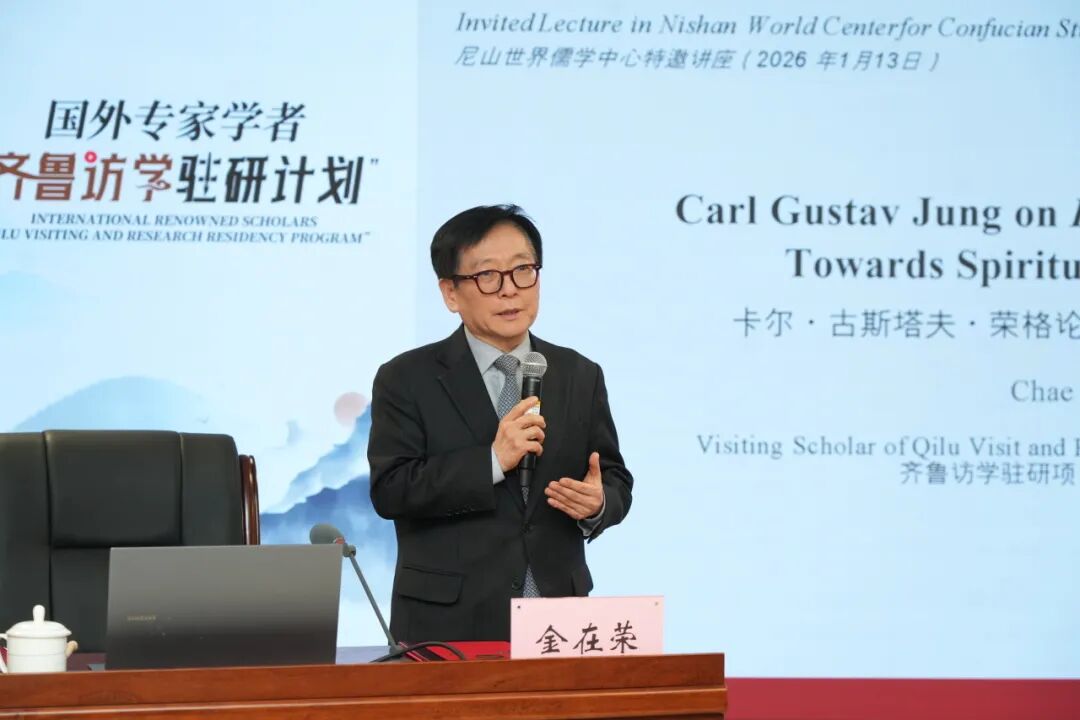
Q:During your stay, you participated in a number of joint seminars with scholars from Shandong University and the Nishan World Center for Confucian Studies. In what ways have the two sides complemented and inspired each other, particularly in research methodologies and the interpretation of classical texts?
中国孔子网:访学期间,您与山东大学、尼山世界儒学中心等单位的学者参加了多场联合研讨。双方在哪些方面实现了互补与相互启发?特别是在研究方法和经典阐释方面,有哪些收获?
Ans:Since arriving in China, I have had numerous opportunities to exchange ideas and research methodologies with professors across Shandong Province and nationwide. I have held discussions with scholars from Shandong University, Peking University, Tsinghua University, as well as many Taiwanese scholars specializing in Confucianism and contemporary Chinese culture.
金在荣:来到中国后,我有许多机会与山东省内及全国各地的教授交流观点和研究方法。我曾与山东大学、北京大学、清华大学的学者座谈,也与许多研究儒学和当代中国文化的台湾学者进行交流。
From my observations, most Chinese scholars study Confucianism through traditional humanities research frameworks. Yet I believe the time has come to broaden our research boundaries to incorporate the social sciences, fine arts, painting, music and other disciplines. Our philosophical research perspectives need further enrichment and development.
据我观察,大多数中国学者仍从传统人文学科框架出发研究儒学。但我认为,现在应当拓宽研究边界,将社会科学、美术、绘画、音乐等学科纳入其中。我们的哲学研究视角仍需进一步丰富和发展。
In the current global context, we need new discourse frameworks to share Confucian thought with audiences outside East Asia. Faced with complex global political and social challenges, humanity requires new shared standards to achieve full human flourishing together.
在当前全球背景下,我们需要构建新的话语框架,向东亚以外的受众传播儒家思想。面对复杂的全球政治与社会挑战,人类需要新的共同准则,以共同实现人的充分发展。
In my opinion, the core challenge of Confucian studies today is not textual research or basic interpretive work—there are outstanding scholars in China, Korea and other regions who excel in these fields. The real challenge lies in communicating our research outcomes to audiences unfamiliar with Confucianism and helping them recognize the value of Confucian lifestyles for both daily life and global governance. This communication question is fundamental to all our academic work.
在我看来,当今儒学研究的核心挑战并不在于文献研究或基础阐释。中国、韩国及其他地区都有许多优秀学者精于此道。真正的挑战,是如何向不熟悉儒学的受众传播研究成果,帮助他们认识儒家生活方式对日常生活和全球治理的价值。如何传播,是我们一切学术工作的根本问题。
Q:As a scholar of religion, has your research during the fellowship led you to any new academic insights into the relationship between Confucianism and religion, or into the role of Confucianism in the spiritual life of East Asia?
中国孔子网:作为宗教学者,访学期间的研究是否使您对儒学与宗教的关系,或儒学在东亚精神生活中的作用,形成了新的学术认识?
Ans:Confucianism constitutes a vital spiritual tradition, rooted in humanity’s innate spiritual pursuits. Regardless of scholars’ differing stances on this debate, Confucius and his disciples emphasize self-cultivation, familial responsibility, service to the nation, community solidarity and universal benevolence. The core pursuit of Confucianism is to explore what it means to be fully human, with benevolence as the internal spiritual core and ritual as the external practice. Its balanced focus on inner spiritual cultivation and outer ritual practice aligns closely with religious ways of life. We therefore must re-examine Confucianism as a spiritual and faith-based tradition, and revise biased perceptions of religion to achieve deeper understanding of Confucian thought.
金在荣:儒学是一种富有生命力的精神传统,植根于人类与生俱来的精神追求。无论学者对此持何种立场,孔子及其弟子都强调自我修养、家庭责任、报效国家、社区团结和普遍仁爱。儒学的核心追求,是探索何以成为一个完整的人:仁是内在的精神核心,礼是外在的实践形式。儒学兼顾内在精神修养与外在礼仪实践,与宗教生活方式高度契合。因此,我们必须重新审视儒学,将其视为一种精神传统和信仰传统;同时修正对宗教的偏见,从而更深入地理解儒家思想。
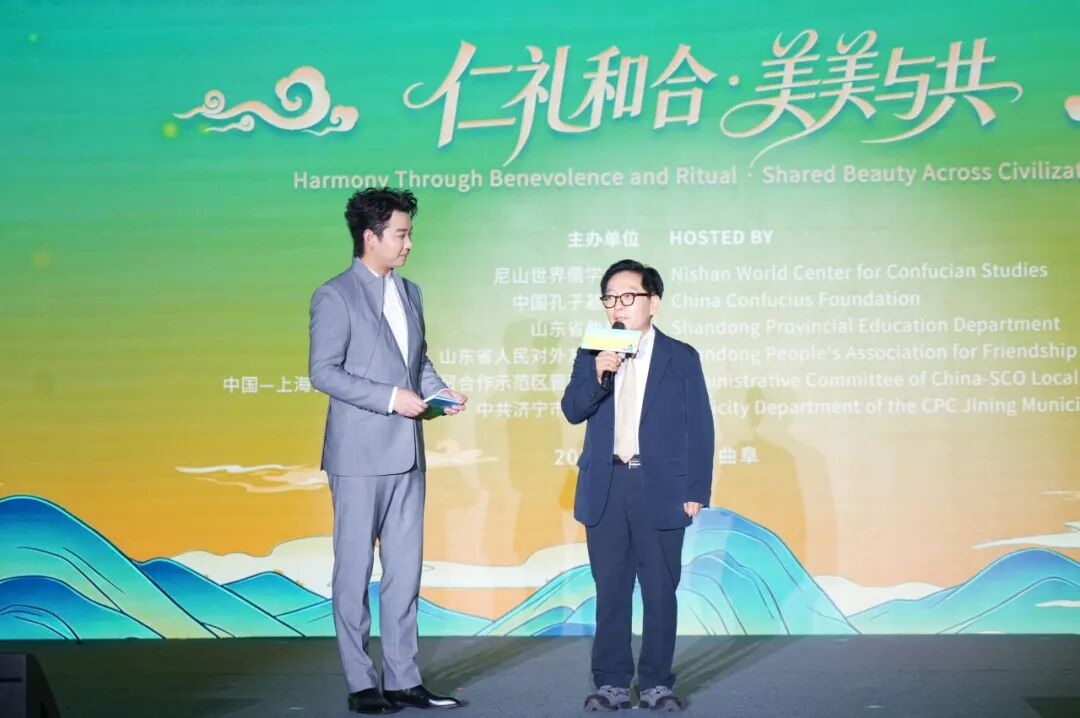
Q:In your view, what role does the Qilu Visiting and Research Residency Program play in promoting cultural and people-to-people exchanges between China and the Republic of Korea? Based on your own experience, what do you consider to be the program's greatest value?
中国孔子网:您认为,“齐鲁访学驻研计划”在促进中韩文化交流和民心相通方面发挥了怎样的作用?结合亲身经历,您认为该计划最大的价值是什么?
Ans:The Qilu Visiting Scholar Program creates abundant opportunities to experience living Confucian traditions firsthand at their birthplace, which I consider the most tangible and valuable part of my research journey.
金在荣:“齐鲁访学驻研计划”为学者提供了丰富机会,使我们能够在儒学发源地亲身感受依然鲜活的儒家传统。我认为,这是此行最切实、最宝贵的部分。
In our digital age, academic books and research materials are easily accessible in libraries, and scholars can communicate remotely via email. Yet without traveling here to witness living traditions in person, one cannot grasp the profound lived reality of everyday Confucian practice. This program has provided me with countless opportunities for reflection on these critical research dimensions.
在数字时代,学术著作和研究资料很容易在图书馆中获取,学者也可以通过电子邮件远程交流。但如果不亲自来到这里,亲眼见证鲜活的传统,就无法体会儒家日常实践深厚而真实的生活样态。该计划使我获得了无数机会,思考这些至关重要的研究维度。
Although my Chinese language proficiency is limited, I have closely observed local residents’ daily lives: their care for grandchildren, devotion to family, concern for strangers, and attention to public affairs. Their behaviors, emotions and sense of responsibility have deeply moved me. This firsthand observation is the most valuable lesson I take away from the Qilu Visiting Scholars Program.
尽管我的中文水平有限,但我一直在细心观察当地居民的日常生活:他们照顾孙辈、关爱家庭、关心陌生人,也关注公共事务。他们的行为、情感和责任感深深打动了我。这些亲身观察,是我从“齐鲁访学驻研计划”中获得的最宝贵的一课。
Q:After returning to the Republic of Korea, how do you plan to continue and further develop the research you carried out during your stay in Shandong? Are there any new research projects or collaborations that you intend to pursue?
中国孔子网:回到韩国后,您计划如何延续并深化在山东开展的研究?是否有新的研究项目或合作计划?
Ans:I was originally trained as a religious studies scholar, specializing in William James and the psychology of religion as an analytical framework for global spiritual traditions. After returning to my home country, I plan to revisit William James’ theories and conduct a comparative analysis of his worldview and Confucian cosmology. This is my primary follow-up research project.
金在荣:我原本接受的是宗教学训练,专攻威廉·詹姆斯和宗教心理学,并以此作为分析世界精神传统的框架。回国后,我计划重新审视威廉·詹姆斯的理论,对其世界观与儒家宇宙观进行比较分析。这将是我后续研究的首要项目。
I exchanged ideas with a leading global scholar of William James, Professor David Lamberth from Harvard University. We discussed methods to apply William James’ insights to research on world religions, including Confucianism. This will be a core long-term academic project for me.
我与全球研究威廉·詹姆斯的重要学者、哈佛大学戴维·兰伯思(David Lamberth)教授进行了交流。我们探讨了如何运用威廉·詹姆斯的思想研究儒学以及世界宗教。这将成为我长期学术研究的核心项目。
My second research direction addresses contemporary global social conditions: in modern society, people often act with cold indifference toward strangers and vulnerable groups. We need to revitalize the Confucian virtue of benevolent hospitality toward outsiders and strangers, and embed this value back into ordinary daily life. I intend to hold practical academic dialogues on this topic with researchers from other faith traditions and interreligious dialogue specialists.
我的第二个研究方向关注当代全球社会状况。在现代社会,人们常常冷漠地对待陌生人和弱势群体。我们需要重振儒家对外来者和陌生人所倡导的仁爱好客之道,使这一价值重新融入日常生活。我计划围绕这一主题,与研究其他信仰传统的学者和宗教间对话专家开展注重实践的学术对话。
Q:As a scholar of East Asian Confucianism, what kind of scholarly mindset do you believe the younger generation of Chinese and Korean researchers should cultivate when engaging in cross-cultural studies?
中国孔子网:作为东亚儒学研究者,您认为中韩年轻一代学者在开展跨文化研究时,应当秉持怎样的治学态度?
Ans:To conclude, there are two critical issues we must consider deeply as Confucian researchers:
金在荣:我认为儒学研究者需要深入思考两个关键问题:
First, all academic research begins with raising research questions, followed by interpretation, verification of accuracy, and final judgment to guide subsequent research. This logic equally applies to Confucian studies. Confucianism is an immense, profound field, so we must cultivate the ability to raise targeted research questions aligned with our core concerns.
第一,一切学术研究都始于提出问题,继而进行阐释、准确性验证和最终判断,并以此指导后续研究。这一逻辑同样适用于儒学研究。儒学博大精深,因此,我们必须培养提出针对性研究问题的能力,使问题与核心关切保持一致。
We also need to reignite young generations’ enthusiasm for engaging with Confucian thought, helping them understand why Confucian studies matter and how Confucian values can contribute solutions to global challenges. If we only teach youth abstract theoretical frameworks and classical textual interpretations, they will perceive Confucianism as rigid, lifeless and uninspiring. We must rethink how to motivate young scholars to connect with Confucian studies. We should revisit the reason thousands of disciples flocked to Confucius for teaching: his ideas stirred their spirits through discussions of benevolence and harmonious world order. This human-centered care must be revitalized through dialogue with young academic voices.
我们还需要重新激发年轻一代接触儒家思想的热情,帮助他们理解儒学研究为何重要,以及儒家价值如何为全球挑战提供解决思路。如果只向年轻人讲授抽象理论框架和经典文本阐释,他们就会认为儒学僵化、缺乏生命力,也无法激发兴趣。我们必须重新思考,如何引导年轻学者走近儒学。我们也应重新审视,为何数千名弟子纷纷前来向孔子求教:孔子关于仁与和谐世界秩序的论述,唤醒了他们的精神。这种以人为本的关怀,必须在与青年学者的对话中重新焕发生机。
Second, we need to develop effective communication strategies to connect East Asian Confucian traditions with global audiences. As I mentioned earlier, textual research and interpretive work are essential foundations, but we must translate these academic findings into accessible communication tools that can be applied to real human life.
第二,我们需要制定有效的传播策略,将东亚儒家传统与全球受众连接起来。如前所述,文献研究与阐释工作是必不可少的基础,但我们必须把学术成果转化为通俗易懂、能够运用于现实生活的传播工具。
【编辑:董丽娜】
文章、图片版权归原作者所有,如有侵权请联系删除